


HOT FOIL STAMPING: A REFINED FINISH, BETWEEN INDUSTRY AND CRAFT
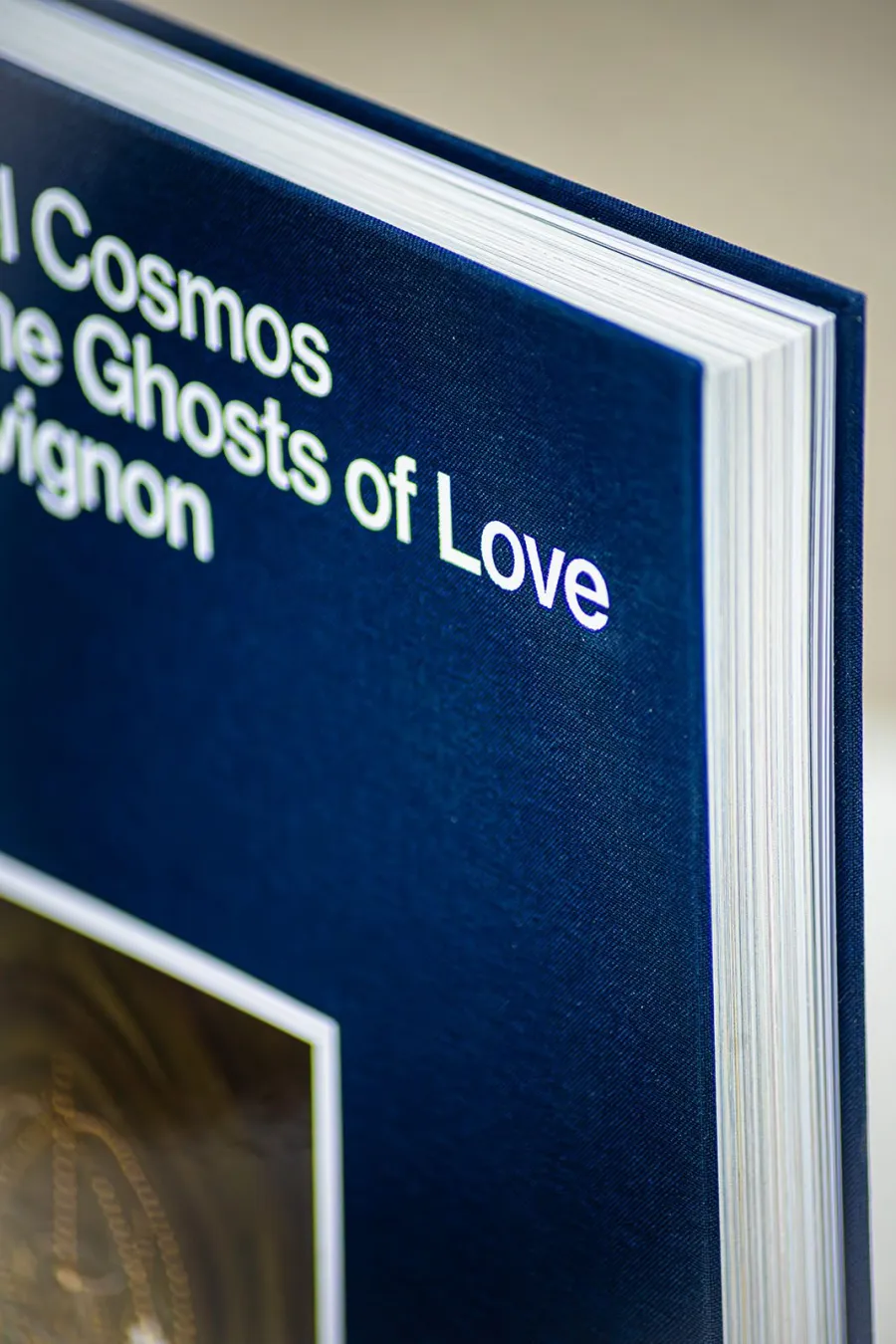
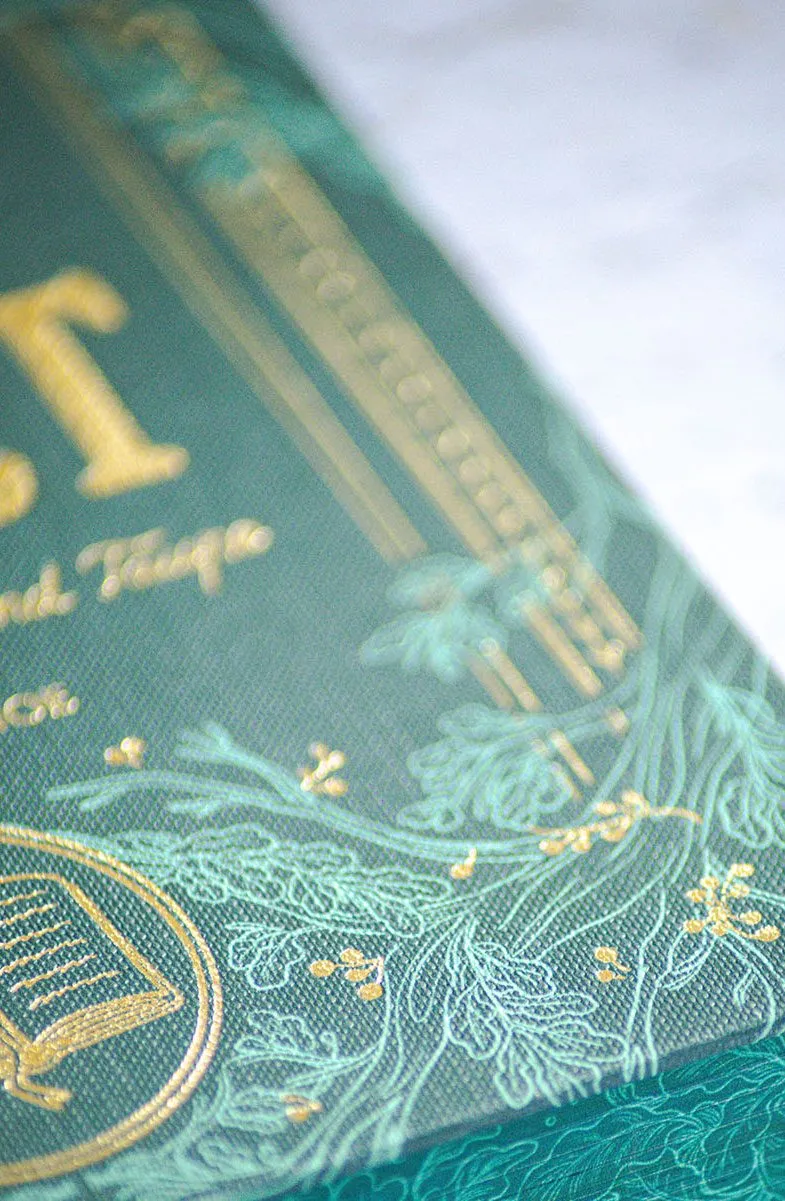
Hot foil stamping lays a pigmented or metallic film onto the cover, under the effect of a heated die and pressure.
Gold, silver, copper, matt or gloss pigments, even holographic films: a noble, largely artisanal finish that opens up many possibilities.
A heated die, a stamping foil and precise pressure
A magnesium or brass die, engraved from your file, is heated then pressed onto the cover through a strip of foil.
Under the combined effect of heat and pressure, the film separates from its carrier and bonds to the material, exactly where it is wanted.
The gesture comes from fine bookbinding. Here it is mechanised on stamping presses, with fine control of temperature, pressure and dwell time according to the material and the film used.
This finish calls for real know-how and expertise, because the result depends on many parameters and on how well the materials used work together.
Choosing the stamping foil
Metallic foils — gloss gold, matt gold, silver and copper — remain the most requested, particularly for titles and logos.
Pigment foils offer opaque colours, matt or gloss; they are of particular interest for stamping onto cloth or any material that cannot be printed.
Holographic foils bring a dynamic effect and play with the light: they are much appreciated in children's publishing and collector's editions.
It is important to anticipate how the parameters work together for the stamping to succeed: the elements to be stamped, the material and the foil chosen. Our teams are here to advise you and to share their expertise.
Hot foil stamping at a glance
- Metallic, pigment or holographic foils.
- On the cover, spine, jacket or belly band.
- Die engraved from vector files (strongly recommended, and required for a brass die).
- Can be combined with embossing or debossing.
- Finish carried out in house, in our own workshops.
- Stamping foils do not all have the same properties. Do ask our advice.
Which books is it for?
Art books and fine art editions, literature, prestige editions, religious works, diaries and notebooks, series covers, corporate books. It is the finish that signals, at first glance, a carefully made book.
Frequently asked questions
Are foil stamping and gold foiling the same thing?
It is the same process: hot foil stamping uses pressure and heat to transfer a film onto the material. That film can be coloured, gloss or matt, or metallic — usually gold or silver. It is in this last case that we speak of gold foiling.
Which foils are available?
Gold and silver in several shades, copper, gloss or matt coloured foils, textured and holographic effects. The choice is wide, but several parameters have to be taken into account to obtain the best result: the type of foil, the material planned, the nature of the graphic elements to be stamped and the effect you are after. Hot foil stamping sits halfway between craft and industry, and the quality of the stamping depends on all of them.
Which materials can be stamped?
Papers and boards, laminated covers, cloths and case-covering materials. It is nevertheless worth checking beforehand that the parameters of the project work together: the elements to be stamped, the material and the foil chosen.
Is a die required, and is it kept?
A die engraved from a vector file has to be produced.
That die, usually in magnesium (a very good result-to-price ratio), is not always reusable, as it can be damaged when it is removed from the stamping press. A brass die, more expensive, can be worthwhile in some cases: it is better suited to particularly demanding foiling, and can be kept for reprints or for other books carrying the same stamped elements.
At Sepec you benefit from deep expertise in hot foil stamping.
Tell us about your project and the options you would like to consider.