


DEBOSSING: GIVE YOUR COVERS RELIEF
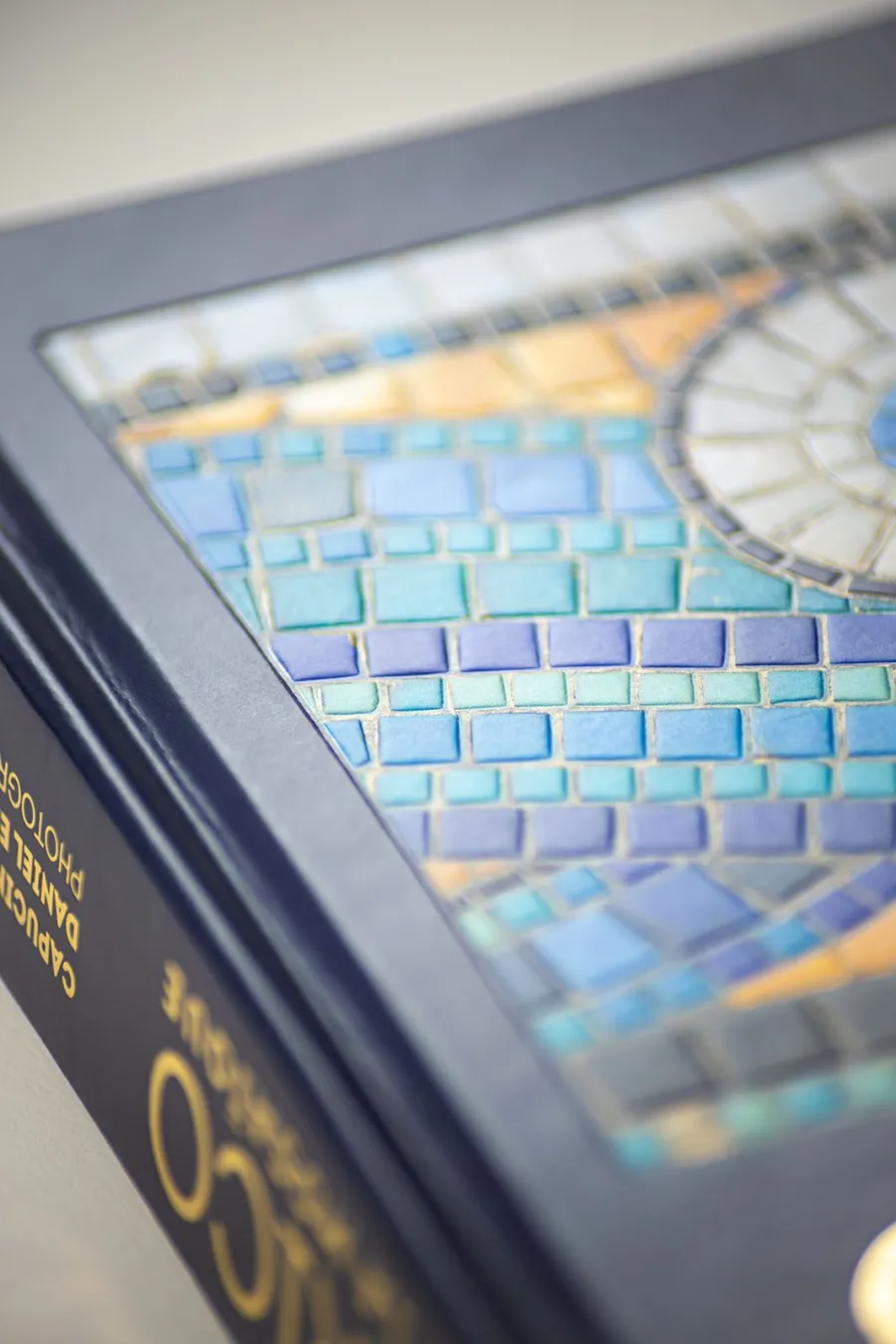
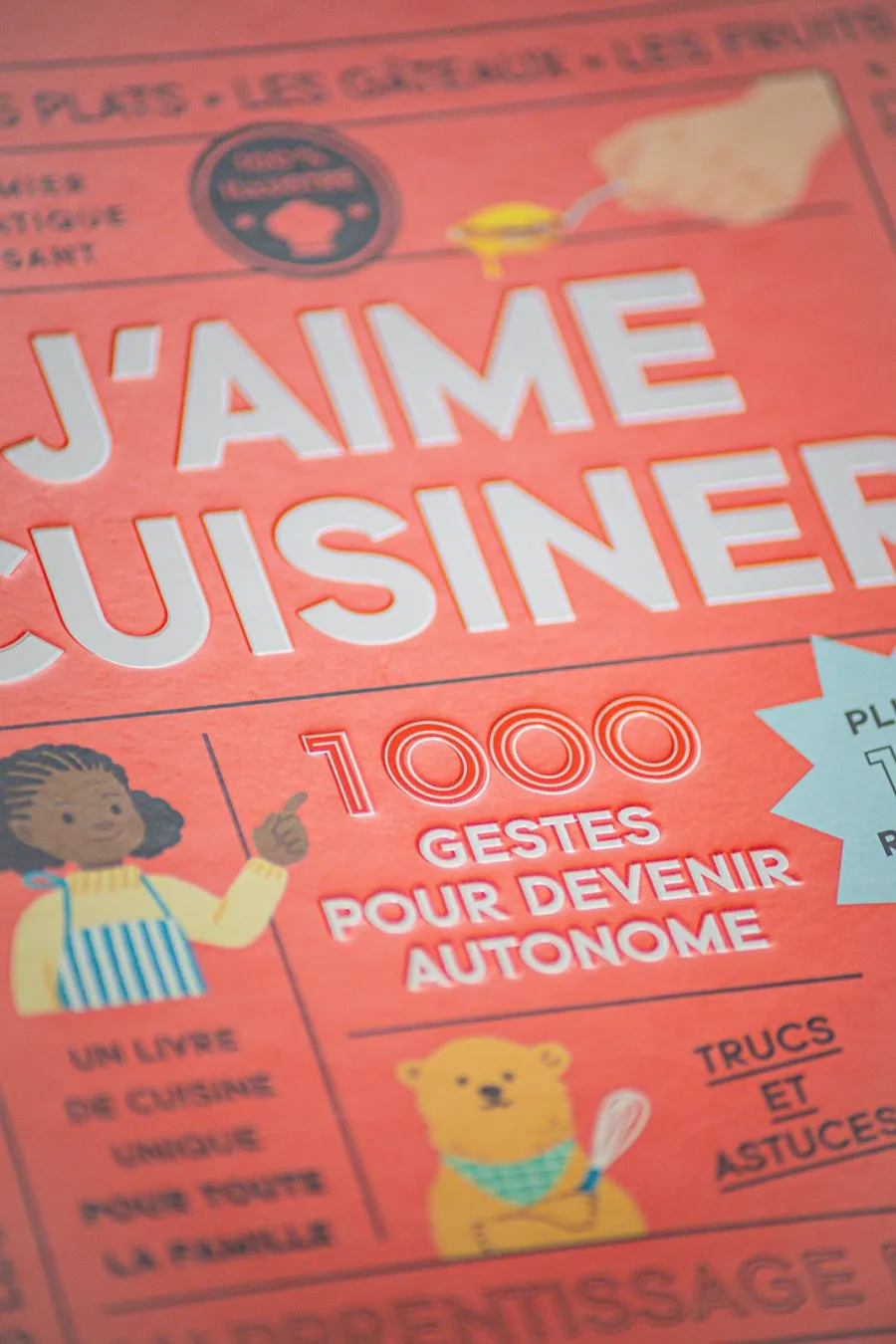
Debossing marks the cover in recess: a title, a logo or a pattern sinks slightly into the material. A relief that can be subtle or pronounced, playing with the light and felt under the fingers.
A die, a press, an impression
A die engraved from your file presses the paper or the board under pressure, hot or cold. The material compacts and keeps the shape of the die.
It is the opposite of embossing, which raises the design in relief.
Debossing is applied to the cover of a paperback — provided the paper is thick enough — or, more usually, of a hardback.
Fine art papers lend themselves very well to debossing and give beautiful results.
Restraint as a signature
Debossing gives the cover a note of character, elegant and restrained. It is a finish that works visually as much as by touch, and gives the book a more upmarket dimension.
It can be used in many ways and combines readily with other cover finishes: a debossed title on soft touch lamination, an illustration combining debossing and hot foil stamping, a blind-debossed logo on through-dyed paper, and so on.
Debossing at a glance
- Blind debossing: recessed marking, with no added colour or film.
- Die engraved from a vector file, usually in magnesium, sometimes in brass.
- The depth of the debossing depends on the nature and the thickness of the material.
- On soft, Integra or hardcovers.
- Can be combined with hot foil stamping.
- Depending on the graphic design of the cover, debossing can be clearly visible or far more discreet. Do ask our advice.
Which books is it for?
Art books, prestige editions, corporate books, notebooks and diaries, comics and graphic novels, series covers, fine art works, and more.
For a raised rather than recessed relief, see embossing; for a coloured or metallic finish, hot foil stamping.
Frequently asked questions
What is the difference between debossing and embossing?
Debossing presses the design into the paper or the board. Embossing raises it in relief. Same principle, same tooling (with an additional counter-die for embossing), but the result is reversed and the design reads very differently.
Does it require a die?
Yes, a die engraved from your vector file.
Any advice for the best possible result?
With debossing or embossing, the most striking results are often obtained when the debossed or embossed elements are set off by a relatively restrained graphic design. The contrasts and the levels of material are then far more perceptible, and more elegant. The effect can seem much more discreet if the debossed or embossed elements are part of a visually busy design. The paper or covering material chosen must also allow the material to deform fairly markedly, in order to create a more perceptible relief.
Can it be combined with hot foil stamping (gold foil, for instance)?
Yes: in some cases the foil stamping itself lays the film and presses the design in a single operation. But the pressure applied for foil stamping is finely determined by the material and the film used, so a very pronounced recess cannot be guaranteed. If that is the effect you are after, we will first carry out a blind debossing, then the foil stamping.
Debossing, embossing and hot foil stamping are carried out with care in our own workshops, in France.
Do ask our advice or send us a request for a quote.