


SADDLE STITCHING: A PRACTICAL, EFFICIENT AND ECONOMICAL BINDING
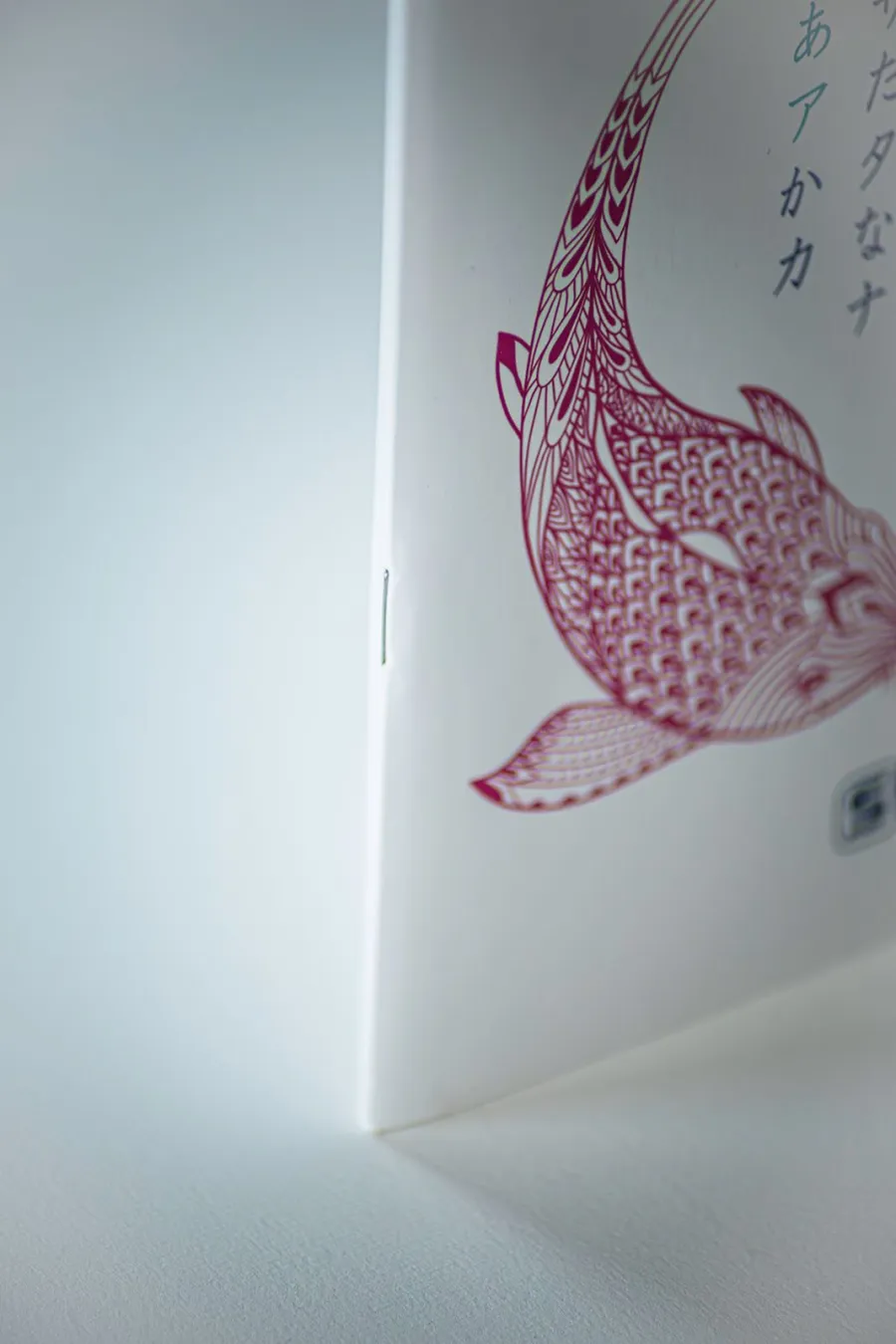
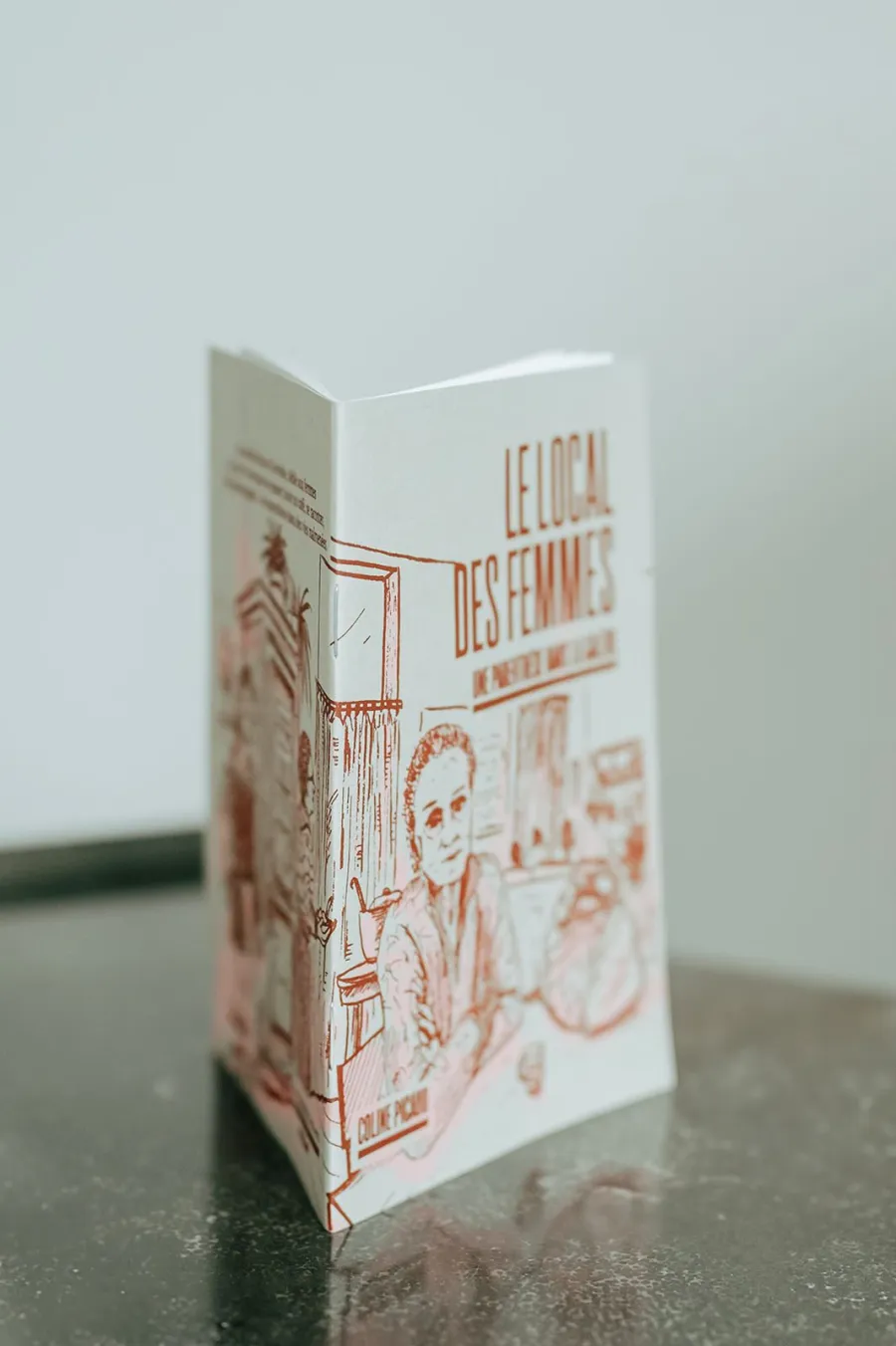
Saddle stitching — the stapled brochure — joins the sections with two staples set in the fold. Fast, economical and perfectly suited to low extents, it is the binding of booklets, brochures and catalogues.
Two staples in the fold
The sheets are folded then inset one inside the other; the gathering line sets the staples in the centre fold before the three-knife trimmer. The extent is necessarily a multiple of 4.
It is the most direct and the most economical binding: fewer steps, therefore a lower cost and a shorter lead time, and a finished product that naturally opens flat.
Its limits, and how to work around them
Beyond around sixty pages, the outer section creeps: trimming compensates but comfort drops, and the spine cannot be printed. For a thick document or one destined for the shelf, perfect binding takes the lead again.
At a low extent, however, nothing is more efficient: add lamination to the cover, rounded corners or a heavier cover stock, and the brochure copes very well with handling.
Saddle stitching at a glance
- Gathered with staples in the fold: fast and economical.
- Extent a multiple of 4, up to around sixty pages.
- Naturally flat opening, with no spine and no adhesive.
- Laminated cover, rounded corners and perforations available.
- Ideal for short lead times and widely varying print runs.
- Produced in offset and digital, in our own workshops.
Which documents is it for?
Brochures and booklets, seasonal catalogues, programmes, low-extent journals, exercise books, instructions and corporate documents. Beyond that, turn to perfect binding.
Frequently asked questions
What extent does saddle stitching allow?
The extent is necessarily a multiple of 4, since each folded sheet gives four pages. Beyond a few dozen pages, the outer section creeps too much and perfect binding takes the lead again.
Why do the inner pages stick out before trimming?
That is creep: inset one inside the other, the inner sections move forward by the thickness of the paper. The three-knife trimmer corrects it, but the layout must allow sufficient margins.
Can the spine be printed?
No: there is no spine, only a stapled fold. If the book has to be identified by its spine on a shelf, you need to move to perfect binding.
Is it the most economical binding?
For a low extent, yes, by a clear margin: fewer steps, no adhesive, no drying, therefore a lower cost and a shorter lead time. It is also the most flexible binding for widely varying print runs.
A booklet or a brochure to produce? We will be glad to advise you.